
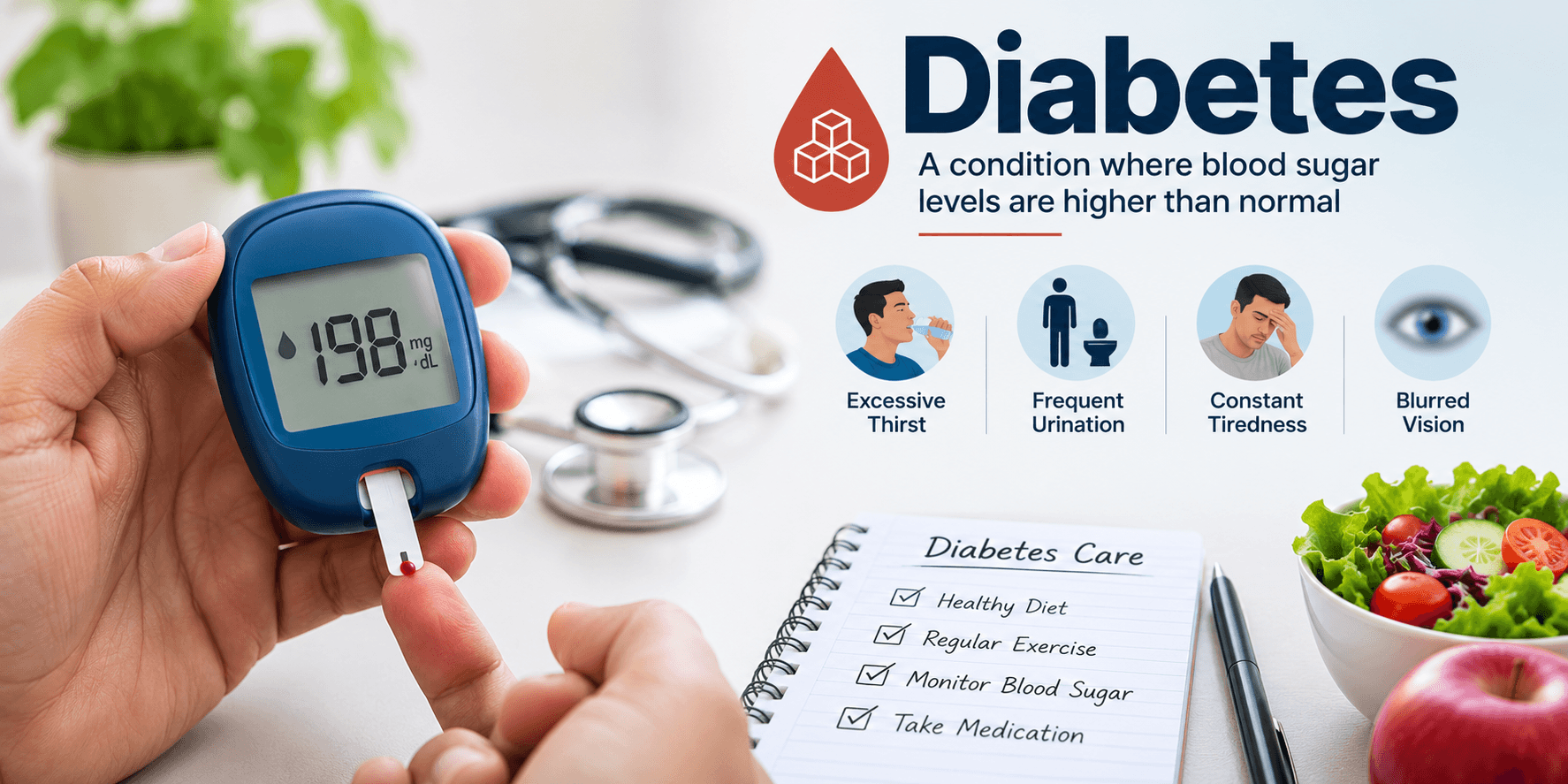
Diabetes is a growing health concern in India, affecting people across different age groups. Unhealthy eating habits, sedentary lifestyles, obesity, family history and other health factors can increase the risk of developing diabetes. Without proper diagnosis and management, high blood sugar levels can gradually affect the heart, kidneys, eyes and nervous system.
If you are searching for diabetes treatment in Mansarovar, Jaipur, understanding the condition and choosing the right medical care are important steps towards better health.
Pink Star Hospital, Mansarovar Extension, Jaipur, provides diabetes evaluation and management through its Department of General Medicine. The department focuses on the diagnosis and long-term management of diabetes, hypertension, thyroid disorders and other chronic medical conditions.
Patients can consult experienced physicians, including Dr. Vishnu Gupta (MBBS, MD – Internal Medicine), for medical evaluation and guidance.
Explore our General Medicine Department in Jaipur.
What Is Diabetes?
Diabetes Mellitus is a chronic metabolic condition in which blood glucose (blood sugar) levels remain higher than normal.
Insulin is a hormone produced by the pancreas that helps glucose enter the body's cells to provide energy. When the body does not produce enough insulin or cannot use it effectively, glucose accumulates in the bloodstream.
Over time, uncontrolled diabetes can increase the risk of heart disease, kidney damage, nerve problems, eye complications and other serious health conditions.
Early diagnosis and appropriate medical management can help reduce these risks.
Common Symptoms of Diabetes
Recognising the early symptoms of diabetes can help you seek medical attention before complications develop.
Common warning signs include:
- Frequent urination, especially at night.
- Excessive thirst and dry mouth.
- Increased hunger despite regular meals.
- Unexplained weight loss.
- Persistent tiredness and weakness.
- Blurred vision.
- Slow-healing wounds.
- Repeated infections.
- Tingling or numbness in hands and feet.
Some people with Type 2 diabetes may not experience noticeable symptoms. Regular blood sugar screening is important, particularly for people with a family history of diabetes or other risk factors.
What Causes Diabetes?
Diabetes can develop due to a combination of genetic, metabolic and lifestyle-related factors.
Common risk factors include:
- Family history of diabetes.
- Being overweight or obese.
- Lack of physical activity.
- Unhealthy dietary habits.
- Insulin resistance.
- Increasing age.
- History of gestational diabetes.
- Certain hormonal and medical conditions.
Eating sugar alone does not directly cause diabetes. However, excessive calorie intake, weight gain and unhealthy lifestyle patterns can contribute to the risk of Type 2 diabetes.
Types of Diabetes
1. Type 1 Diabetes
Type 1 diabetes is an autoimmune condition in which the immune system attacks insulin-producing cells in the pancreas. Patients require insulin therapy to manage their blood glucose levels.
2. Type 2 Diabetes
Type 2 diabetes is the most common form. It develops when the body becomes resistant to insulin or does not produce enough insulin.
Management may include lifestyle modifications, prescribed medications, regular blood sugar monitoring and medical follow-up.
3. Gestational Diabetes
Gestational diabetes develops during pregnancy and requires careful blood glucose monitoring and medical supervision to protect the health of both mother and baby.
How Is Diabetes Diagnosed?
Doctors use different blood tests to diagnose diabetes and monitor blood glucose levels.
Common diagnostic tests include:
- Fasting Plasma Glucose (FPG): Measures blood sugar after fasting.
- Postprandial Blood Sugar (PPBS): Measures blood sugar after a meal.
- HbA1c Test: Estimates average blood glucose levels over approximately two to three months.
- Oral Glucose Tolerance Test (OGTT): Evaluates how the body processes glucose after consuming a glucose solution.
An HbA1c level of 6.5% or higher, fasting plasma glucose of 126 mg/dL or higher, or two-hour OGTT glucose of 200 mg/dL or higher can indicate diabetes. Diagnosis generally requires confirmation with repeat testing unless there is unequivocal hyperglycaemia.
Your physician will recommend appropriate tests based on your medical history and symptoms.
Diabetes Treatment in Mansarovar, Jaipur at Pink Star Hospital
Choosing appropriate medical care is an important part of managing diabetes. Patients need more than occasional blood sugar testing. They require proper evaluation, personalised treatment, regular monitoring and guidance to reduce the risk of complications.
Pink Star Hospital is a multispeciality hospital in Mansarovar Extension, Jaipur, offering diabetes evaluation and management through its Department of General Medicine.
The department provides medical care for Type 2 diabetes, blood sugar irregularities, hypertension, thyroid disorders and other chronic medical conditions.
Why Consider Pink Star Hospital for Diabetes Care?
- Experienced General Medicine physicians.
- Diabetes screening and blood sugar evaluation.
- HbA1c and other relevant diagnostic investigations.
- Individualised medical treatment plans.
- Medication review and long-term monitoring.
- Lifestyle and nutritional guidance.
- Evaluation of associated health conditions.
- Multispeciality medical support when required.
Consult Dr. Vishnu Gupta – General Physician & Internal Medicine
Patients seeking diabetes evaluation and chronic disease management can consult Dr. Vishnu Gupta, Senior Consultant – General Physician & Internal Medicine at Pink Star Hospital.
Qualifications: MBBS, MD (Internal Medicine).
Experience: 14+ Years.
He provides medical consultation for diabetes, hypertension, thyroid disorders and other internal medicine conditions.
View our Specialist Doctors at Pink Star Hospital.
How Is Diabetes Managed?
Diabetes management requires a consistent approach combining medical treatment and healthy lifestyle choices.
1. Follow a Balanced Diet
A diabetes-friendly diet should focus on balanced nutrition, fibre-rich foods, appropriate carbohydrate portions and limited sugary beverages.
Include vegetables, whole grains, pulses and suitable protein sources in your meals.
Avoid following extreme diets without medical advice.
2. Exercise Regularly
Physical activity can improve insulin sensitivity and help maintain blood glucose levels.
Walking, cycling and swimming are examples of activities that may help. Adults should generally aim for at least 150 minutes of moderate-intensity physical activity per week, depending on their health and medical advice.
3. Monitor Blood Sugar
Regular blood glucose monitoring helps doctors understand how effectively treatment is controlling diabetes.
Your physician may recommend fasting, post-meal or HbA1c testing at suitable intervals.
4. Take Prescribed Medication
Some patients require oral diabetes medications, while others may need injectable treatments or insulin.
Never change your medication or insulin dosage without consulting your doctor.
5. Maintain a Healthy Weight
Maintaining a healthy weight can improve insulin sensitivity and reduce the risk of complications associated with Type 2 diabetes.
6. Schedule Regular Health Check-ups
People with diabetes should undergo regular assessments of kidney function, eye health, blood pressure, cholesterol and foot health.
Relationship Between Diabetes, Heart Disease and Kidney Problems
Diabetes can affect multiple organs, particularly when blood sugar remains uncontrolled for a long period.
Diabetes and Heart Disease
People with diabetes have an increased risk of cardiovascular disease, including heart attacks and strokes.
Pink Star Hospital provides specialised cardiac care through its Cardiology Department.
Explore Cardiology Services at Pink Star Hospital.
Diabetes and Kidney Disease
High blood sugar can gradually damage the small blood vessels in the kidneys, leading to diabetic kidney disease.
Regular kidney function testing and urine albumin screening can help detect early kidney problems.
Diabetes and Nerve Damage
Long-term diabetes can damage nerves, causing burning sensations, pain, tingling or numbness, particularly in the feet.
Early medical evaluation and proper glucose management can help reduce the risk of further complications.
Can Type 2 Diabetes Be Prevented?
Type 2 diabetes can often be prevented or delayed through healthy lifestyle changes, especially in people with prediabetes or other risk factors.
Important preventive steps include:
- Maintain a healthy body weight.
- Exercise regularly.
- Follow a balanced diet.
- Reduce sugary drinks and highly processed foods.
- Avoid tobacco.
- Maintain adequate sleep.
- Get blood sugar levels checked when recommended.
People with a family history of diabetes should pay particular attention to regular health screening.
When Should You Visit a Doctor?
Do not ignore persistent symptoms such as excessive thirst, frequent urination, unexplained weight loss, blurred vision or unusual fatigue.
You should also consider a medical consultation if you have:
- A family history of diabetes.
- Prediabetes.
- Obesity or abdominal weight gain.
- High blood pressure.
- High cholesterol.
- Previous gestational diabetes.
Seek emergency medical attention if high blood sugar is accompanied by vomiting, abdominal pain, deep or rapid breathing, severe dehydration or confusion.
Visit Pink Star Hospital – Diabetes Care in Mansarovar, Jaipur
If you are looking for medical consultation for diabetes in Mansarovar, Jaipur, Pink Star Hospital offers comprehensive multispeciality healthcare supported by its General Medicine Department.
Located in Mansarovar Extension, the hospital provides medical evaluation, diagnostic support and management of chronic health conditions.
Hospital Name: Pink Star Hospital
Address: 5,6 Hanuman City, Opposite New Haveli Hotel, Mangyawas, Mansarovar Extension, Jaipur, Rajasthan – 302020.
24×7 Emergency Contact: +91 82909 02526
Website: https://www.pinkstarhospital.com/
Book an Appointment: https://www.pinkstarhospital.com/contact
Take the first step towards better health with timely medical consultation and regular health check-ups.
Frequently Asked Questions About Diabetes Treatment in Jaipur
1. Where can I get diabetes treatment in Mansarovar, Jaipur?
Pink Star Hospital in Mansarovar Extension, Jaipur, provides diabetes evaluation and management through its Department of General Medicine. Patients can consult a physician for diagnosis, treatment and follow-up care.
2. Does Pink Star Hospital provide Type 2 diabetes management?
Yes. The General Medicine Department at Pink Star Hospital provides diabetes management, including medical evaluation, blood sugar monitoring, medication management and lifestyle guidance.
3. Who should I consult for diabetes?
A General Physician or Internal Medicine specialist can evaluate and manage many cases of diabetes. Patients requiring specialised care may be referred to an endocrinologist or diabetologist.
4. Which tests are recommended for diabetes?
Common tests include fasting blood sugar, postprandial blood sugar, HbA1c and oral glucose tolerance testing. Your doctor will recommend the appropriate investigations.
5. Can Type 2 diabetes be reversed?
Some people with Type 2 diabetes may achieve remission through sustained weight loss and lifestyle changes, sometimes alongside medical treatment. Remission is not the same as a permanent cure, and continued monitoring is necessary.
6. How often should diabetes patients check their HbA1c?
For many patients, HbA1c is checked approximately every three months when treatment changes or glucose goals are not met. Patients with stable glucose control may need testing every six months, depending on medical advice.
7. Can diabetes affect the heart and kidneys?
Yes. Uncontrolled diabetes can increase the risk of heart disease, stroke and chronic kidney disease. Regular medical monitoring helps identify complications early.
8. How can I book a consultation at Pink Star Hospital?
You can visit Pink Star Hospital in Mansarovar Extension, Jaipur, or contact the hospital at +91 82909 02526 for appointment assistance.
Medical Disclaimer: This article is intended for general educational purposes and does not replace professional medical advice, diagnosis or treatment. Always consult a qualified healthcare professional for individual medical guidance.