Stroke Symptoms: Warning Signs, Causes, Treatment and Prevention
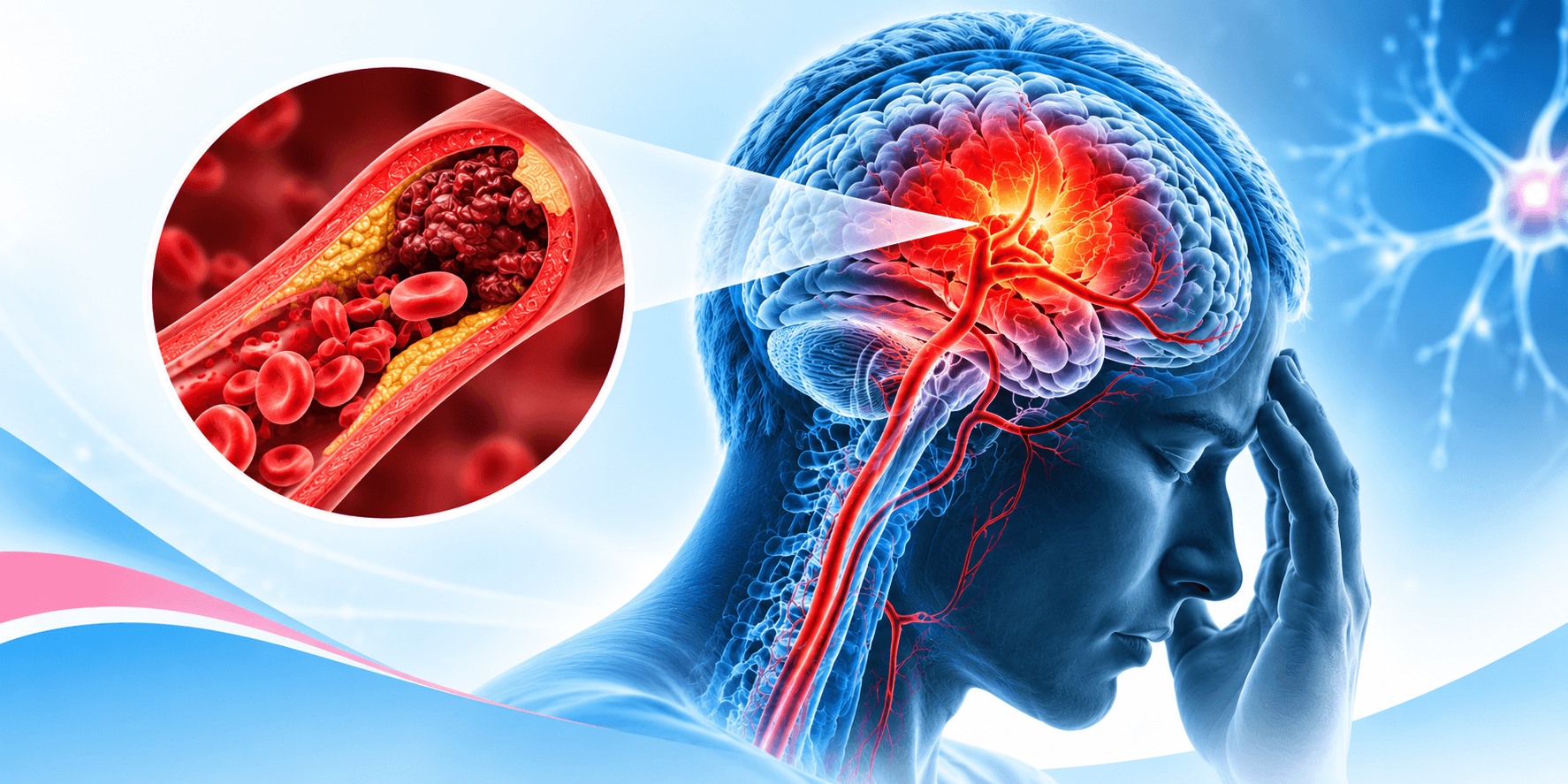
A stroke is a serious medical emergency that occurs when blood flow to part of the brain is interrupted or when a blood vessel in the brain bursts. Without timely treatment, brain cells can become damaged, potentially leading to long-term disability or even death. Recognising the warning signs and getting emergency medical care quickly can make a critical difference.
What Is a Stroke?
A stroke occurs when the brain does not receive the oxygen and nutrients it needs through its blood supply. There are two main types:
1. Ischemic stroke: This occurs when a blood clot or blockage restricts blood flow to the brain. It is the most common type of stroke.
2. Hemorrhagic stroke: This occurs when a blood vessel in or around the brain ruptures and causes bleeding.
A transient ischemic attack (TIA), sometimes called a mini-stroke, causes temporary stroke-like symptoms. Even if these symptoms disappear, urgent medical evaluation is essential because a TIA can be a warning sign of a future stroke.
What Are the Warning Signs of a Stroke?
Stroke symptoms usually appear suddenly. Common warning signs include:
- Sudden weakness or numbness of the face, arm or leg, especially on one side of the body.
- Drooping of one side of the face.
- Difficulty speaking, slurred speech or trouble understanding others.
- Sudden loss of vision, blurred vision or double vision.
- Sudden dizziness, difficulty walking, loss of balance or poor coordination.
- A sudden, severe headache without an obvious cause.
Symptoms can vary from person to person. Do not wait for all the symptoms to appear before seeking help.
Remember BE FAST to Recognise a Stroke
The BE FAST method can help people identify common stroke warning signs:
B – Balance: Is there a sudden loss of balance or coordination?
E – Eyes: Has sudden vision loss or another significant vision change occurred?
F – Face: Does one side of the face droop when the person smiles?
A – Arms: Is one arm weak or does it drift downward when both arms are raised?
S – Speech: Is the person's speech slurred, unusual or difficult to understand?
T – Time: Seek emergency medical help immediately if any of these signs appear.
What Should You Do If Someone Is Having a Stroke?
Act immediately if you suspect a stroke.
- Contact local emergency medical services and arrange urgent transport to a hospital.
- Note the exact time the symptoms started, or the last time the person was known to be well.
- Do not wait to see whether the symptoms improve. Seek urgent care even if they disappear.
- Do not give food, water, aspirin or other medicines unless directed by a qualified medical professional. Different types of stroke require different treatments.
- Do not allow the person to drive themselves to the hospital.
A stroke cannot be safely diagnosed at home. Prompt medical assessment and brain imaging help clinicians determine the type of stroke and choose the appropriate treatment.
What Causes a Stroke?
A stroke can be associated with a blockage in a blood vessel or bleeding in the brain. Several factors can increase the risk, including:
- High blood pressure.
- Diabetes and high blood cholesterol.
- Smoking or tobacco use.
- Heart conditions, including atrial fibrillation.
- Physical inactivity and an unhealthy diet.
- Excess weight and harmful alcohol consumption.
- A previous stroke or transient ischemic attack.
Age and family or medical history can also affect a person's risk. However, a stroke can occur in younger adults too, so sudden warning signs should never be ignored because of age.
How Is a Stroke Diagnosed and Treated?
Stroke treatment depends on its type, severity, location and the time since symptoms began. Doctors may use a neurological examination, CT scan, MRI and other investigations to establish the diagnosis.
For some ischemic strokes, doctors may consider clot-dissolving medication or a procedure to remove the clot, depending on eligibility and timing. Hemorrhagic strokes require a different approach, which may include carefully managing blood pressure, intensive monitoring and, in selected cases, surgery or another procedure.
There is no single treatment that is suitable for every patient. Never start or change medication without medical advice.
Recovery and Rehabilitation After a Stroke
Recovery varies depending on the part of the brain affected, the severity of the stroke and the person's overall health. Some people improve quickly, while others need ongoing support.
A rehabilitation plan may include physiotherapy to improve movement and balance, speech and language therapy, occupational therapy and support with daily activities. Rehabilitation should be tailored to the individual's needs and started when the treating team considers it medically appropriate.
Family support, follow-up appointments and management of risk factors are also important parts of recovery.
How Can You Help Reduce Your Risk of Stroke?
Although not every stroke can be prevented, managing risk factors can help reduce the likelihood of one.
- Check your blood pressure regularly and follow your prescribed treatment.
- Manage diabetes and cholesterol with guidance from your healthcare professional.
- Eat a balanced diet with vegetables, fruits and whole grains, and reduce excess salt.
- Stay physically active according to your abilities and medical advice.
- Avoid tobacco and smoking.
- Limit alcohol and discuss any additional risk factors with your doctor.
- Take prescribed medicines as directed and attend follow-up appointments.
If you have had a stroke or TIA before, speak with your doctor about an appropriate plan to help prevent another event.
Stroke Awareness and Neurological Care in Jaipur
Recognising stroke symptoms early and seeking emergency medical attention can be vital. If you or someone nearby develops sudden facial drooping, one-sided weakness, speech difficulty or another possible stroke symptom, do not delay seeking emergency care.
Pink Star Hospital is located in Mansarovar Extension, Jaipur, Rajasthan. For information about neurological evaluation and available hospital services, contact the hospital directly. Suspected stroke symptoms require emergency assessment rather than waiting for a routine appointment.
Remember: BE FAST. Recognise the signs, act immediately and seek emergency medical care.
Medical disclaimer: This article is for general educational purposes only and does not replace professional medical advice, diagnosis or treatment.
Further Reading
- World Health Organization: https://www.who.int/news-room/fact-sheets/detail/stroke
- Centers for Disease Control and Prevention: https://www.cdc.gov/stroke/signs-symptoms/